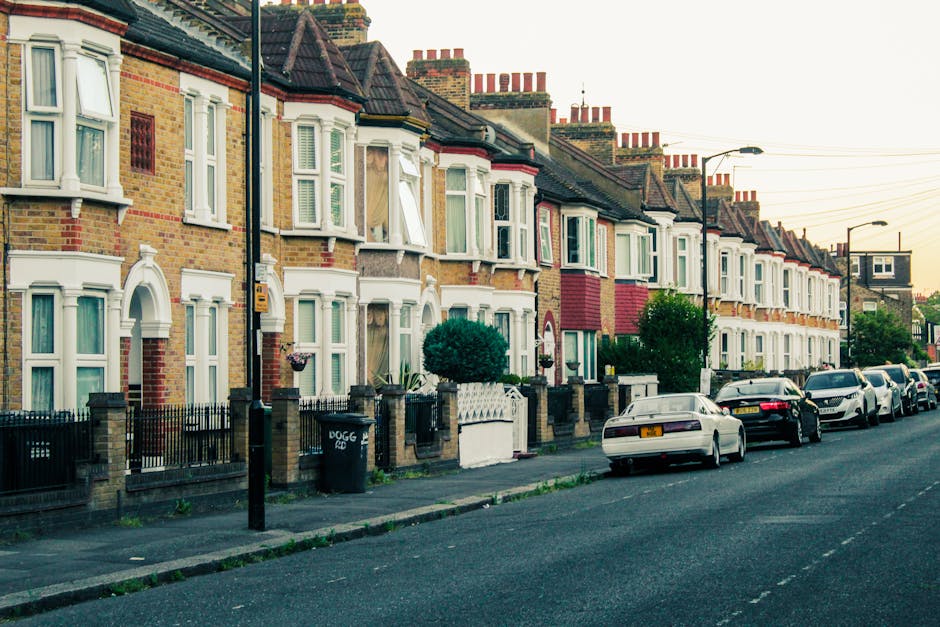
Removals for homes near Wandsworth Common station: a practical guide for a smoother home move
Moving house near Wandsworth Common station can feel deceptively simple at first. It is only one part of South West London, after all. Then moving day arrives, the parking is tighter than you expected, the lift is busy, a neighbour is waiting for the stairwell, and suddenly every small detail matters. That is exactly why removals for homes near Wandsworth Common station deserve a local, well-planned approach.
This guide walks you through what a good home removal looks like in this part of Wandsworth, how the process usually works, what to watch out for, and how to choose the right moving support for your home. Whether you are shifting from a flat near the station, a terrace on a quieter residential street, or a family home nearby, the goal is the same: fewer surprises, less lifting, and a move that feels under control. Simple enough. Not always easy, but manageable.
Why removals for homes near Wandsworth Common station matters
Local removals are not just about moving boxes from one place to another. Near Wandsworth Common station, they are also about timing, access, traffic flow, and the everyday realities of an area where residential streets, school runs, rail travel, and parking pressures can overlap. If you have ever watched a van try to reverse while someone is late for a train, you will know the mood instantly. A small delay can ripple through the whole day.
That is why a home move here benefits from an organised plan and a team that understands how domestic removals actually work in London. It is not enough to simply turn up with a vehicle. You need sensible loading, clear communication, protection for furniture, and a moving schedule that fits the street, the building, and your own timeline.
For many households, the appeal of a local service is straightforward: shorter travel times, easier coordination, and a more tailored approach. If you are moving from a smaller property, a man and van service can be ideal. If you have a bigger household or more delicate items, you may prefer a fuller home-moving setup, such as home moves or even specialist house removalists. Truth be told, the best choice depends on volume, access, and how much of the heavy lifting you want to avoid.
Expert summary: Near Wandsworth Common station, the most successful home removals are usually the ones that plan around access first, not furniture first. If parking, stairways, and timing are sorted early, everything else becomes much easier.
How removals for homes near Wandsworth Common station works
A good house removal is a sequence, not a scramble. In practice, the move usually starts with a quote or an enquiry, followed by a discussion about property size, access, and timing. From there, the mover estimates what kind of vehicle, staffing, and packing support will be needed. That matters because a two-bedroom flat with narrow stair access is not the same thing as a ground-floor maisonette with a driveway, even if both sound "small" on paper.
On moving day, the team should arrive with a clear plan. Protective equipment, loading materials, blankets, and straps are all part of the job. Items are usually carried from the property to the vehicle in an order that makes sense for weight distribution and fragility. Softer items and boxes are not just thrown in and hoped for. Well, they shouldn't be. A decent mover thinks ahead about what comes off first at the new property, which saves time and reduces breakage.
If you need help with wrapping, sorting, and labelling, packing and unpacking services can take a surprising amount of pressure off the day. And if your move involves bigger or bulkier possessions, a larger vehicle through moving truck support or removal truck hire may be more appropriate.
The best local removals are also adaptable. If access changes on the day, or the lift is unavailable, or you need to split the job into two trips, the plan should flex without drama. That flexibility is one of the strongest signs you are dealing with professionals rather than just an available vehicle.
Key benefits and practical advantages
There are plenty of reasons people choose a structured home removal service near Wandsworth Common station instead of trying to do everything themselves. Some are obvious. Some only become obvious after the first broken lamp or awkwardly timed rain shower. Let's face it, London weather never really asks permission.
- Less physical strain: Heavy lifting is hard on the back, knees, and nerves. A proper removal team reduces the risk of injury and damaged furniture.
- Better time control: A managed move is usually faster and less chaotic than a DIY approach, especially when access is tight.
- Safer transport: Good packing and loading methods help protect furniture, appliances, mirrors, and fragile items.
- Local route awareness: Movers familiar with the area can better anticipate parking pressure and movement around the station.
- Reduced stress: You can focus on keys, utilities, children, pets, and handover details while the physical move is handled properly.
- Flexible service options: From simple man-and-van help to fuller domestic removals, you can choose the level of support that suits your home.
A further benefit people often miss is momentum. When boxes are clearly labelled and furniture is removed in a sensible order, the new home starts to feel liveable much sooner. That first evening matters. You want the kettle, the bedding, and the essentials to be easy to find without opening twelve identical boxes and muttering under your breath.
Who this is for and when it makes sense
Home removals near Wandsworth Common station make sense for a wide range of residents, not just large family households. In fact, many of the most common jobs in this kind of area are fairly modest in scale. A one-bedroom flat move, a shared house split, a couple relocating nearby, or a tenant moving out at short notice can all benefit from professional support.
This is especially useful if you are:
- moving between flats with stairs or a small lift;
- handling bulky furniture like wardrobes, sofas, or bed frames;
- short on time and unable to pack everything yourself;
- moving with children or pets and need the day to feel calmer;
- selling or letting a property and need a clean handover;
- combining the move with disposal of unwanted items.
For people clearing out old furniture at the same time, a service like furniture pick up can be useful. If you are getting rid of larger soft furnishings, mattress and sofa disposal is worth considering. And if appliances are involved, fridge and appliance removal helps keep that part of the move tidy and separate from the rest.
Sometimes the right answer is simply to combine services. A small move does not always stay small once you start looking behind wardrobes and in the airing cupboard. Funny how that happens.
Step-by-step guidance
Here is a practical way to approach removals for homes near Wandsworth Common station without feeling overwhelmed.
1. Start with a realistic inventory
Write down what is actually moving. Not what might move. What is really going. Include furniture, boxes, appliances, plants, mirrors, and anything awkwardly shaped. A proper list helps you choose the right vehicle and avoid overpaying for space you do not need.
2. Check the access at both properties
Look at stairs, lifts, parking restrictions, narrow hallways, and the distance from front door to vehicle. If the vehicle cannot get close to the building, loading takes longer. That is not a problem in itself, but it changes the plan.
3. Decide what to move, store, or dispose of
Before moving day, separate items into three groups: keep, donate or dispose, and decide later. The clearer your sort, the less clutter lands in the van. If you need help with unwanted items, using recycling and sustainability principles can keep the process responsible and less wasteful.
4. Pack by room, then label clearly
Room-based packing may sound basic, but it saves time at the new property. Label each box with the room and a short note like "kitchen - mugs" or "bedroom - winter clothes". The labels do not need to be beautiful. They just need to make sense at 8:40 pm when the Wi-Fi is not yet connected.
5. Protect fragile and valuable items
Use proper wrapping for glass, electronics, artwork, and sentimental items. Keep essentials with you if they are truly important. Documents, passports, chargers, medication, and keys should not disappear into the general pile.
6. Confirm timing and payment details early
Agree the collection time, estimated duration, and payment method in advance. If you want to compare options before booking, the pricing and quotes page is a useful place to start. It is much easier to make a good decision when the basics are clear before the first box is lifted.
7. Keep a moving-day essentials bag
Pack a bag with water, snacks, phone charger, tissues, toiletries, any needed medication, and one change of clothes. You will thank yourself later. Possibly more than once.
Expert tips for better results
The smoother moves are rarely the ones with the fanciest equipment. They are the ones where the small details were handled early. A few things to think about:
- Book the right size vehicle. Too small and you risk multiple trips; too large and you may pay for unused capacity.
- Be honest about access. If the stairs are awkward or the parking is a pain, say so. The moving team needs the truth, not the optimistic version.
- Keep valuables separate. Jewellery, hard drives, important paperwork, and sentimental items are better with you.
- Use the earliest practical start time. In busy local areas, starting earlier often means less waiting, less heat, and fewer interruptions.
- Prepare both ends. It is easy to obsess over packing the old place and forget that the new property needs space cleared too.
- Ask about protection materials. Blankets, covers, tape, and straps are a good sign that the move will be handled with care.
One very practical tip: keep doors, hallways, and stair landings as clear as possible. A cluttered corridor can slow everything down, and in a tight property that can become the whole problem. Not glamorous, but very real.
If you want the moving day to feel cleaner and less stop-start, a service such as packing and unpacking services can be worth it even for a fairly small home. It often pays back in time and peace of mind, which is hard to measure until you need it.
Common mistakes to avoid
Even well-organised people make a few classic mistakes around moving day. That is normal. The trick is to spot them early.
- Underestimating volume: A flat that looks compact can still contain far more than you expect once cupboards are opened.
- Leaving packing too late: "I'll do it the night before" is how stress builds fast.
- Ignoring access problems: Tight roads, limited parking, and stairs need to be mentioned before the job begins.
- Mixing essentials with general boxes: If you need it on day one, it should be easy to find.
- Forgetting disposal: Old mattresses, broken appliances, and tired furniture should not be loaded into the move by default.
- Not checking service scope: Some people assume all packing, dismantling, and reassembly is included. Sometimes it is, sometimes not. Ask plainly.
There is also a softer mistake: trying to make the move look simpler than it is. People do this all the time. It sounds brave, but it usually just makes the day harder.
Tools, resources and recommendations
You do not need specialist equipment to prepare for removals for homes near Wandsworth Common station, but a few basic tools make a real difference.
| Tool or item | Why it helps | Best used for |
|---|---|---|
| Strong boxes | Protects contents and stacks safely | Books, kitchen items, small decor |
| Packing tape | Keeps boxes secure during lifting | All packed items |
| Labels or marker pens | Makes unloading faster and more organised | Room naming and contents notes |
| Bubble wrap or paper | Cushions fragile goods | Glass, frames, electronics |
| Furniture blankets | Reduces scuffs and chips | Wood, painted surfaces, mirrors |
| Straps or ties | Stops movement in transit | Wardrobes, appliances, larger items |
From a service perspective, the best-fit options often depend on how much you are moving and how much help you need. For smaller jobs, man with van support can be a practical middle ground. For larger household moves or multiple rooms, a more complete arrangement via home moves may be the smarter option. If you are dealing with a bigger load, then removal truck hire can help match vehicle capacity to the job.
Another useful recommendation: keep the first box you unload very intentional. Kettle, mugs, tea, bin bags, phone charger, toilet paper. Boring things, yes. Also essential. A move becomes much less miserable when those basics are easy to reach.
Law, compliance, standards and best practice
For home removals in the UK, the main thing most people need to know is that a reputable moving service should operate safely, handle items with care, and manage waste responsibly. If items are being disposed of, they should not simply be dumped or mixed with general moving waste in a careless way. That is where proper handling and sensible sustainability practices matter.
When you are choosing a mover, it is reasonable to ask about insurance, safety procedures, and how the company approaches damage prevention. Pages like insurance and safety and health and safety policy can help you understand the standards a business is working to. You do not need to be an expert in transport or lifting guidance to ask basic, sensible questions. In fact, you really should.
If your move involves confidential paperwork or personal documents you no longer need, a service such as confidential shredding may be worth considering before the move starts. That keeps sensitive information out of the moving boxes and out of your stress pile.
For disposal, it is also best practice to separate reusable items from waste where possible. Sofas, mattresses, appliances, and mixed household goods can require different handling, so it makes sense to ask about disposal routes rather than assuming everything can be taken the same way. If you are unsure what belongs where, a quick check against what can go in a skip can help you think clearly about categories, even if you are not hiring a skip itself.
Options, methods and comparison table
Different homes need different moving methods. Here is a simple comparison to help you decide what fits best.
| Option | Best for | Pros | Watch outs |
|---|---|---|---|
| Man and van | Small flats, partial moves, light loads | Flexible, practical, often cost-effective | May not suit larger homes or lots of furniture |
| Home moves | Typical residential moves with more structure | Better for full-home planning and support | Needs clearer scheduling and access details |
| House removalists | Larger or more complex domestic moves | More comprehensive support and handling | Usually overkill for very small jobs |
| Removal truck hire | Bigger loads or bulky items | Capacity and transport efficiency | Needs accurate load planning |
If your move is simple and you mainly need help with transport and lifting, a man and van arrangement is often enough. If you are moving a whole household, including furniture that needs disassembly, then the broader support of house removalists may be a better fit. There is no prize for choosing the biggest service. The right-size service is what you want.
Case study or real-world example
Imagine a couple moving from a first-floor flat a short walk from Wandsworth Common station to a nearby terraced house. They have a bed frame, a sofa, several bookshelves, a dining table, a few boxes of kitchenware, and a refrigerator they no longer want to take along. Nothing extreme. But the flat has a narrow staircase, parking outside is limited, and both people are working right up to moving day.
They decide to split the job into two parts. First, they book help that includes packing support for fragile items and a vehicle suitable for their furniture load. Second, they arrange appliance removal for the fridge and separate out items they do not want to take into the new home. The day before the move, they label every box by room and place the essentials bag by the front door.
On the day itself, the movers arrive with a clear route for carrying items out of the building. The bed is dismantled first, the glassware is loaded carefully, and the sofa is wrapped before it is moved. There is still a bit of natural chaos, because moves always have some chaos, but it is contained. By late afternoon, the main items are in place and the couple can make tea in their new kitchen without searching for the kettle for half an hour. Honestly, that's a win.
The difference was not luck. It was planning, sensible scope, and using the right support for each part of the move.
Practical checklist
Use this checklist in the final week before moving day.
- Confirm your moving date and time.
- Check access, parking, and any building rules at both properties.
- Finish sorting items into keep, dispose, or donate.
- Book packing help if you need it.
- Label boxes by room and priority.
- Set aside keys, documents, medication, and chargers.
- Protect fragile furniture and glassware.
- Arrange disposal for unwanted furniture or appliances.
- Prepare a first-night essentials bag.
- Make sure payment and contact details are confirmed.
- Clear hallways, landings, and entry points.
- Keep water and a light snack available on moving day.
If you are still deciding on the right service level, pricing and quotes is a sensible place to compare your options, while book online is useful once you know what you need. And if you want to understand the company a little better before booking, about us gives a helpful overview of who is behind the service.
Conclusion
Removals for homes near Wandsworth Common station are easiest when you treat them as a local logistics job, not just a pile of boxes. Access, timing, vehicle choice, packing, and disposal all shape how the day feels. Get those pieces right and the move becomes far calmer, even if a few things still happen at the last minute. That is normal, by the way.
The good news is that a well-planned home move does not need to be stressful. With the right support, you can protect your furniture, stay organised, and arrive at your new place with your energy intact. That first proper cup of tea in the new kitchen? It tastes better than usual. Every time.
Get a free quote today and see how much you can save.
Frequently Asked Questions
What makes removals near Wandsworth Common station different from other local moves?
The area can be busier than it looks, especially around access points, residential streets, and travel times linked to the station. That means planning for parking, loading space, and timing is a bigger part of the job than many people expect.
Is a man and van service enough for a home move?
It can be, especially for smaller flats, part-load moves, or homes with limited furniture. If you have several rooms of belongings, bulky items, or difficult access, a fuller home-moving service may be a better fit.
How far in advance should I book a removal service?
As early as you reasonably can. Popular moving dates, weekends, and month-end slots fill up quickly. Booking early also gives you time to sort packing, disposal, and access details without panic.
Do movers help with packing and unpacking?
Some do, and it can make a big difference. If you want help wrapping fragile items, labelling boxes, or settling into the new property faster, look for a service that offers packing and unpacking support.
Can I combine removals with furniture disposal?
Yes, and it often makes the move simpler. If there are old sofas, mattresses, or unwanted appliances, handling them separately can reduce clutter and save vehicle space for the items you actually want to keep.
What should I do with a fridge or other appliance I do not want to move?
Arrange appliance removal before the main moving day if possible. That keeps the move cleaner and avoids trying to fit heavy, awkward items around everything else.
How do I know what size vehicle I need?
Start by listing your furniture and number of boxes, then consider access. A small move with tight stairs may still need careful planning, while a larger home may require more vehicle space than it first appears.
Are home removals insured?
That depends on the provider and the specific service arrangement. It is sensible to ask about insurance and safety before you book, and to understand what is and is not covered.
What happens if parking is difficult near my property?
That is common in parts of London and can usually be managed with advance planning. The moving team may need more time for loading, or may suggest a slightly different vehicle positioning plan.
Should I dismantle furniture before movers arrive?
Not always. Some furniture can be dismantled by the moving team if agreed in advance, while other pieces are better left assembled until the day. The key is to discuss it beforehand so nothing becomes a surprise.
How can I make moving day less stressful?
Pack early, label everything clearly, keep essentials with you, and be honest about access and timing. Small things matter. A calm moving day is usually the result of boring preparation done well, not magic.
Can movers help if I need confidential documents removed too?
Yes, if the service includes confidential shredding or a secure disposal option. That can be helpful if you are decluttering paperwork before a move and do not want sensitive items mixed into the boxes.
What is the best first step if I am still unsure what service I need?
Start with your inventory, then compare it against the type of move you want. If you are unsure, checking service information and pricing details can help you choose between man and van, home moves, or more complete removal support.